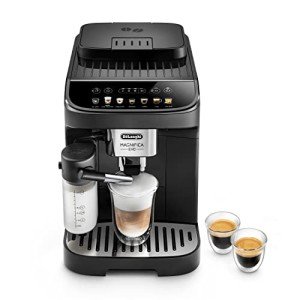
Beans To Cup Explained In Fewer Than 140 Characters


From Beans to Cup: The Journey of Coffee
Coffee is more than simply a drink; it is a worldwide phenomenon that brings people together, fuels early mornings, and triggers conversations. The journey of coffee from beans to cup is an elaborate procedure including various steps and the proficiency of different people. This article serves to break down this remarkable journey, explore various developing approaches, and address some often asked concerns about this cherished drink.
Tabulation:
- The Coffee Bean: The Seed of the Story
- Growing Coffee: An Agrarian Art
- Harvesting: The Careful Collection
- Processing: From Cherry to Green Bean
- Roasting: The Transformation
- Developing Methods: Crafting the Perfect Cup
- Conclusion
- FAQs
1. The Coffee Bean: The Seed of the Story
Coffee beans are the seeds of the Coffea plant, primarily grown in tropical climates. Ground Bean Coffee Machine of coffee that control the market are Coffea arabica (Arabica) and Coffea canephora (Robusta). Each type has unique taste profiles, growth considerations, and chosen growing conditions.
Table 1: Differences Between Arabica and Robusta Coffee
| Function | Arabica | Robusta |
|---|---|---|
| Flavor | Sweeter, more nuanced | Stronger, more bitter |
| Caffeine material | Lower (1-1.5%) | Higher (2-2.5%) |
| Growing conditions | Greater elevation, cooler climate | Water level, warmer climates |
| Shape of beans | Oval, curved | Round, straighter |
2. Growing Coffee: An Agrarian Art
The journey begins on a coffee farm where the beans are grown. Ideal conditions for coffee cultivation consist of well-draining soil, adequate rainfall, and shade. Coffee trees can take three to 4 years to produce cherries, the fruit that houses the coffee beans. It is during this time that farmers need to support the plants, making sure optimum growing conditions through:
- Proper irrigation: Ensuring sufficient wetness
- Fertilization: Using natural and artificial choices
- Bug control: Keeping damaging insects at bay
3. Collecting: The Careful Collection
Coffee cherries are generally harvested by hand, a labor-intensive process. There are two primary approaches:
- Selective Picking: Mature cherries are chosen by hand, permitting a greater quality item.
- Strip Picking: All cherries are removed from the branch, regardless of ripeness, resulting in a mix of quality.
Harvesting normally takes place once a year, differing by area, with farmers intending to collect cherries at their peak ripeness.
4. Processing: From Cherry to Green Bean
Once collected, coffee cherries should be processed rapidly to prevent putridity. The processing approaches can significantly affect the final flavor of the coffee.
- Wet Processing: Cherries are depulped, fermented, and cleaned, leading to a cleaner taste.
- Dry Processing: Cherries are expanded in the sun to dry, which can impart fruity flavors.
After processing, the beans are hulled to remove the parchment layer, graded, and arranged by size and quality. This leads to green coffee beans, which are prepared for roasting.
5. Roasting: The Transformation
Roasting is a crucial action in figuring out the taste profile of coffee. Green beans are heated up in a roasting machine, changing their chemical structure through a series of complicated responses referred to as the Maillard reaction and caramelization. The degree of roasting-- light, medium, or dark-- affects the final taste, scent, and body of the coffee.
Aspects Influencing the Roasting Process:
- Temperature: Higher temperature levels result in darker roasts.
- Time: Longer roasting times develop more powerful flavors.
- Airflow: More airflow can promote even roasting and various flavor notes.
6. Developing Methods: Crafting the Perfect Cup
Once roasted, the coffee is ground to the wanted coarseness, and the brewing process begins. There are various techniques to brew coffee, each producing special flavors and experiences:
- Drip Coffee Maker: A popular method for home developing where hot water drips through coffee premises.
- French Press: A steeping method that combines coarsely ground coffee with warm water, resulting in an abundant flavor.
- Espresso: An approach that forces warm water through finely ground coffee, producing a focused shot.
- Put Over: A manual technique that permits accurate control over water temperature and put rate.
Comparison of Brewing Methods:
| Method | Taste Profile | Participation Level | Time Required |
|---|---|---|---|
| Drip Coffee | Well balanced, classic | Low | 5-10 minutes |
| French Press | Rich, full-bodied | Medium | 4 minutes |
| Espresso | Strong, extreme | High | 25-30 seconds |
| Pour Over | Clean, nuanced | Medium | 3-4 minutes |
7. Conclusion
The journey of coffee from bean to cup is a complex and fascinating procedure that includes careful growing, harvesting, processing, roasting, and developing. Each step in this detailed chain has a considerable impact on the taste, scent, and total pleasure of the drink. As consumers become more familiar with the origins and subtleties of their coffee, they can make educated options that improve their coffee-drinking experience while valuing the effort that enters into every cup.
Frequently asked questions
1. What is the best method to keep coffee beans?
Coffee beans should be kept in an airtight container in a cool, dark place to preserve freshness. Prevent saving them in the refrigerator or freezer, as wetness can adversely affect their quality.
2. How does the roast level impact the taste?
The roast level significantly affects the flavor profile; light roasts maintain more of the beans' initial flavors, while dark roasts develop deeper, more robust flavors due to the roasting process.
3. Can the brewing approach change the caffeine content?
Yes, various developing techniques might draw out differing amounts of caffeine. For instance, espresso has a higher concentration, however a standard serving size is smaller sized than brewed coffee, leading to similar caffeine content per cup.
4. How long should coffee be brewed?
Brewing times can vary by method. For instance, a French press normally needs about 4 minutes of soaking time, while a drip coffee maker might take 5-10 minutes.
Through understanding the elaborate journey from beans to cup, coffee lovers can deepen their gratitude for this cherished drink, savoring each sip as a conclusion of nature's bounty, human ability, and tradition.